
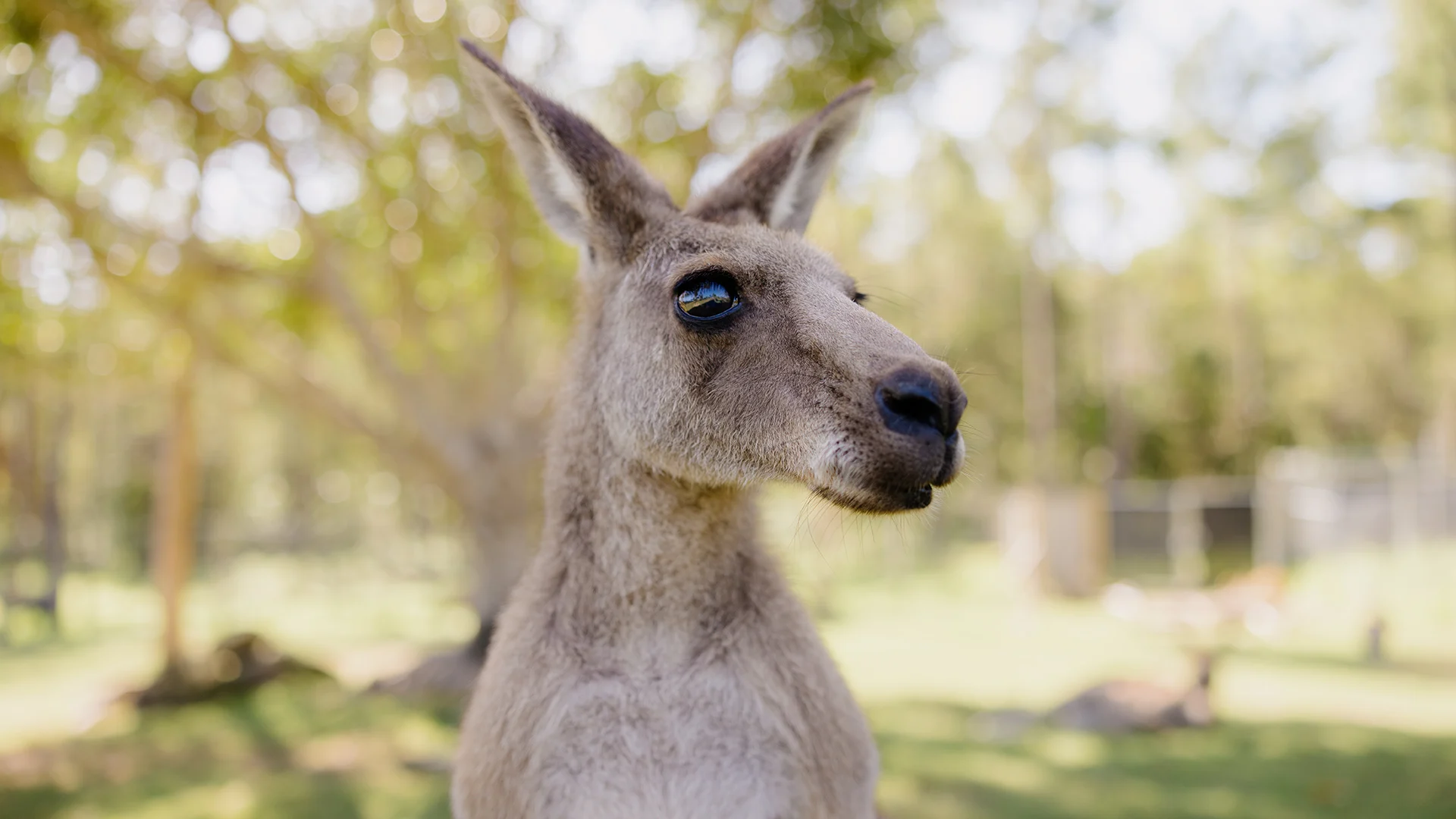
Kangaroos & Wallabies
Hop into the heart of the park to meet kangaroos and wallabies. Come watch the Macropod mob relax, explore, and play.
Species at Paradise Country
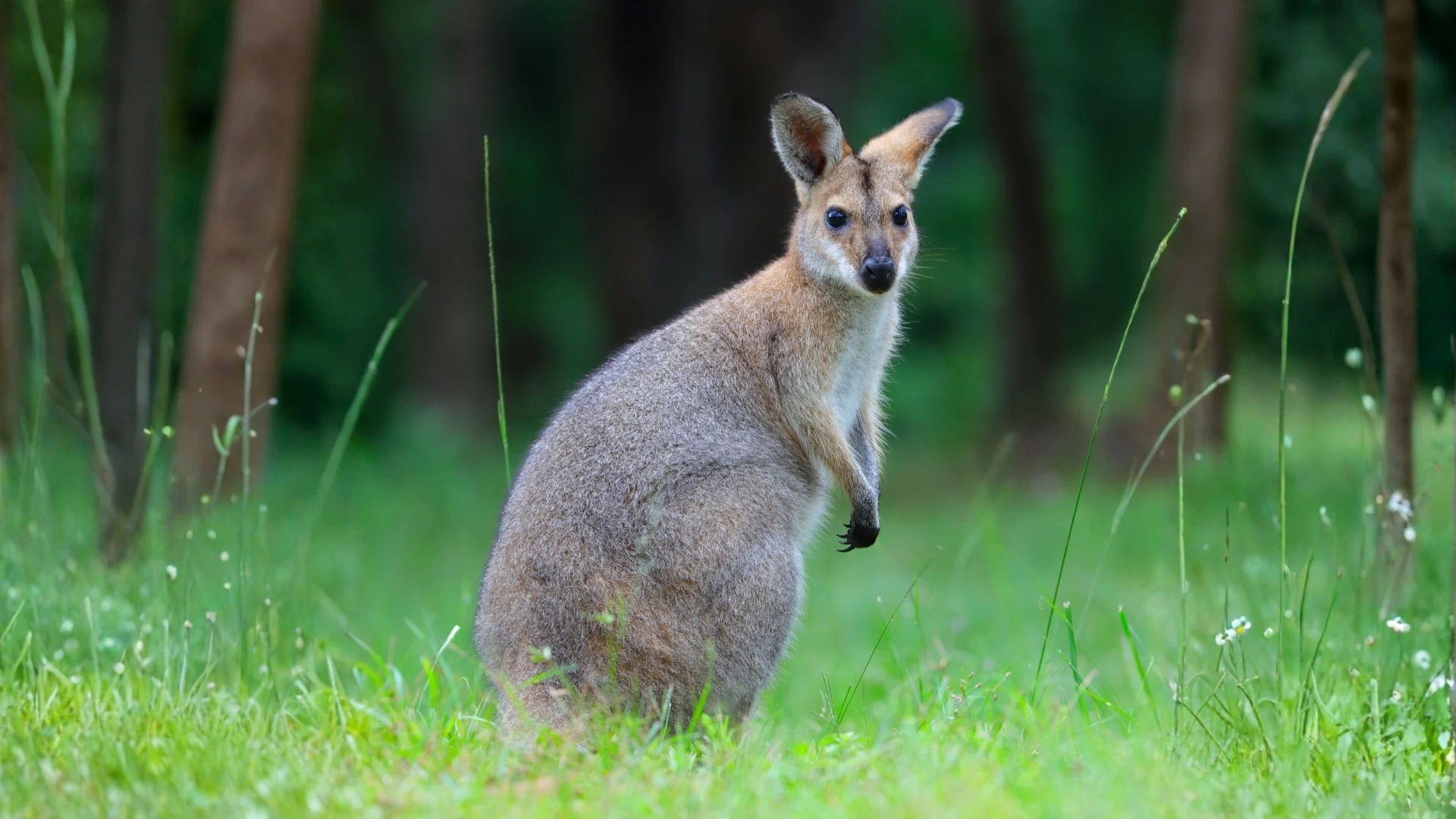
Red-Necked Wallaby
Species: Red Neck Wallaby (Notamacropus Rufogriseus)
Red-Necked Wallabies are native to eastern Australia and feed on a variety of native plants and grasses. Their small size and strong legs help them move quickly and blend into the bush. They're a protected species and thriving, see if you can spot them in the Wildlife Walkthrough!
Eastern Grey Kangaroos
Species: Eastern Grey Macropodidae (Marcopus Giganteus)
Eastern Grey Kangaroos are common across eastern Australia and Tasmania, easily recognised by their soft grey coat. At Paradise Country, each kangaroo has painted toenails to help our animal care team and you tell them apart. See if you can spot them in the Wildlife Walkthrough!
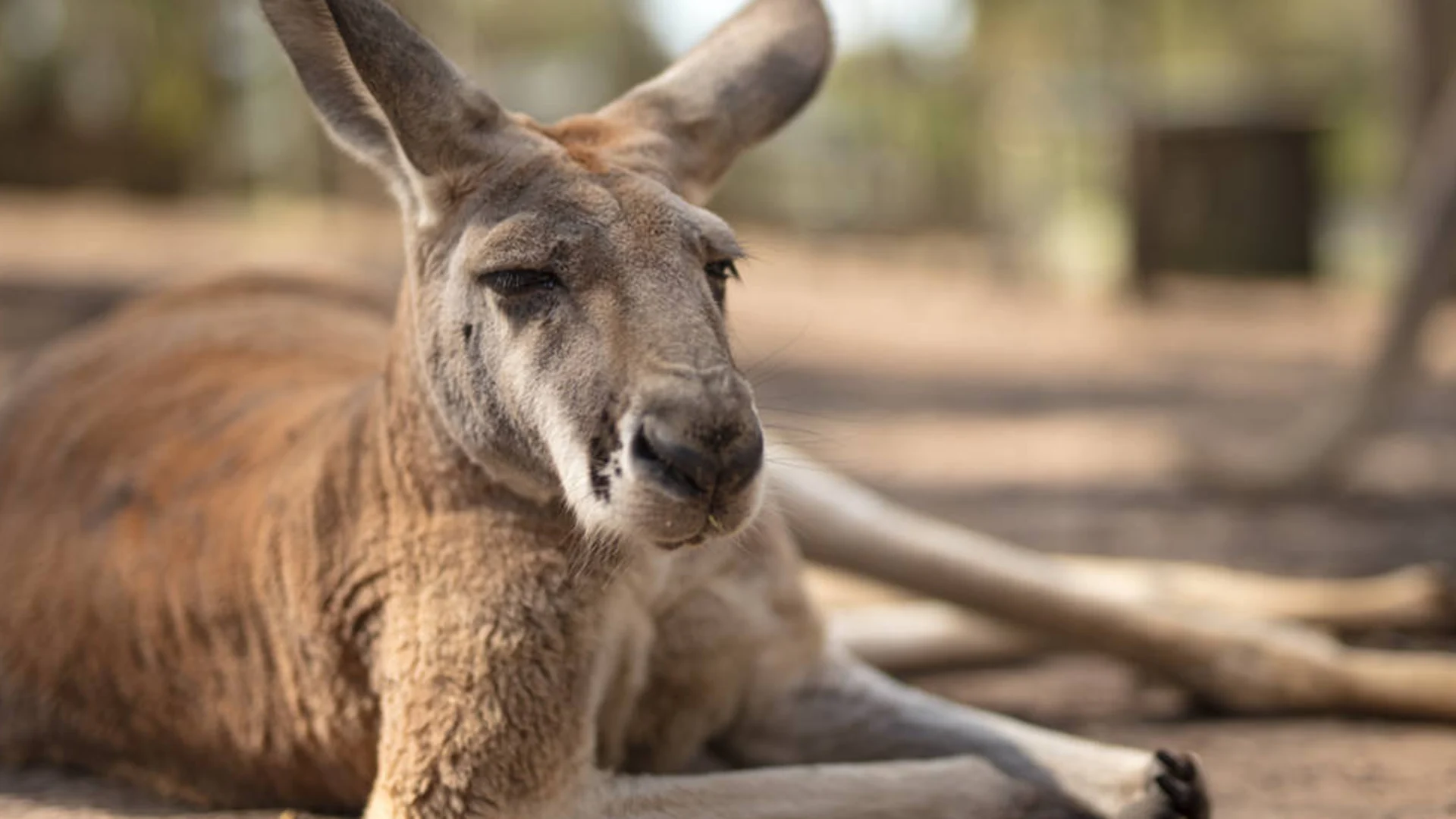
Red Kangaroos
Species: Red Kangaroo (Osphranter rufus)
Gentle-natured and an Australian icon, Red Kangaroos are the largest native terrestrial mammal and marsupial. This species can reach speeds over 60 km/hr, can stand as tall as 1.5 meters, and weigh up to 100kg. See if you can spot them in the Wildlife Walkthrough!

Swamp Wallaby
Species: Swamp Wallaby (Wallabia Bicolor)
Swamp Wallabies are native in Eastern and Southeastern Australia and can be spotted by their distinct reddish or yellowish markings on their bellies, chest and base of their ears. These gentle grazers feed on leaves, ferns, and shrubs, playing an important role in Australia's eco systems. See if you can spot them in the Wildlife Walkabout.
Swamp Wallaby
Species: Swamp Wallaby (Wallabia Bicolor)
Swamp Wallabies are native in Eastern and Southeastern Australia and can be spotted by their distinct reddish or yellowish markings on their bellies, chest and base of their ears. These gentle grazers feed on leaves, ferns, and shrubs, playing an important role in Australia's eco systems. See if you can spot them in the Wildlife Walkabout.
Swamp Wallaby
Species: Swamp Wallaby (Wallabia Bicolor)
Swamp Wallabies are native in Eastern and Southeastern Australia and can be spotted by their distinct reddish or yellowish markings on their bellies, chest and base of their ears. These gentle grazers feed on leaves, ferns, and shrubs, playing an important role in Australia's eco systems. See if you can spot them in the Wildlife Walkabout.
Swamp Wallaby
Species: Swamp Wallaby (Wallabia Bicolor)
Swamp Wallabies are native in Eastern and Southeastern Australia and can be spotted by their distinct reddish or yellowish markings on their bellies, chest and base of their ears. These gentle grazers feed on leaves, ferns, and shrubs, playing an important role in Australia's eco systems. See if you can spot them in the Wildlife Walkabout.
Animal Facts
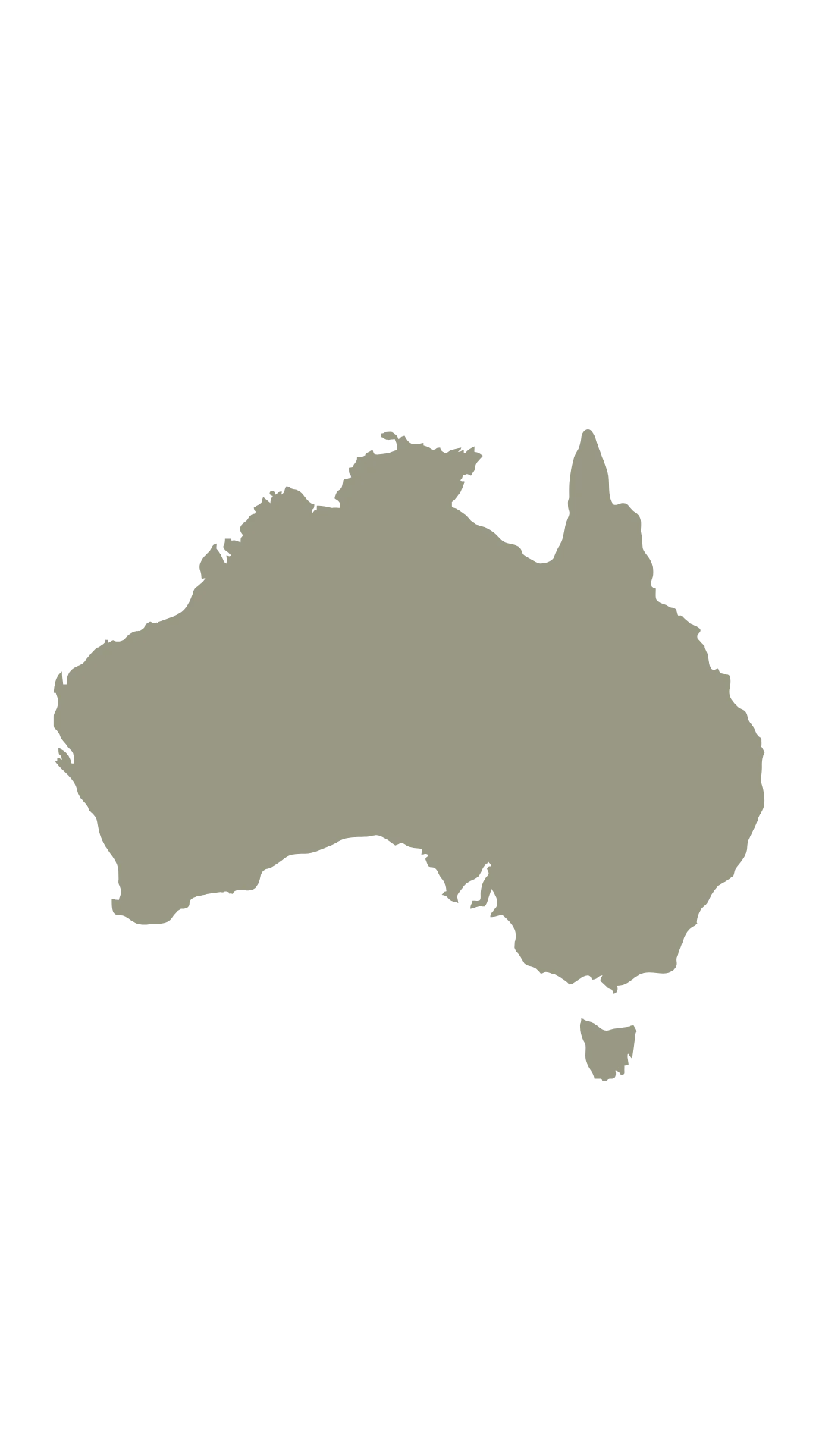
Location
Australia – grasslands, forests, bushlands, and rocky areas.
Behaviour
Group: Mob (or Court) – kangaroos are social; wallabies are shy and solitary.
Diet
Herbivores – eat grasses, leaves, shrubs, herbs, and fruit.

Did You Know?
Kangaroos can’t walk backwards and leap over 3 m. Wallabies are smaller, some under 10 kg fully grown.
Location
Australia – grasslands, forests, bushlands, and rocky areas.
Behaviour
Group: Mob (or Court) – kangaroos are social; wallabies are shy and solitary.
Diet
Herbivores – eat grasses, leaves, shrubs, herbs, and fruit.
Did You Know?
Kangaroos can’t walk backwards and leap over 3 m. Wallabies are smaller, some under 10 kg fully grown.
Meet More Animals
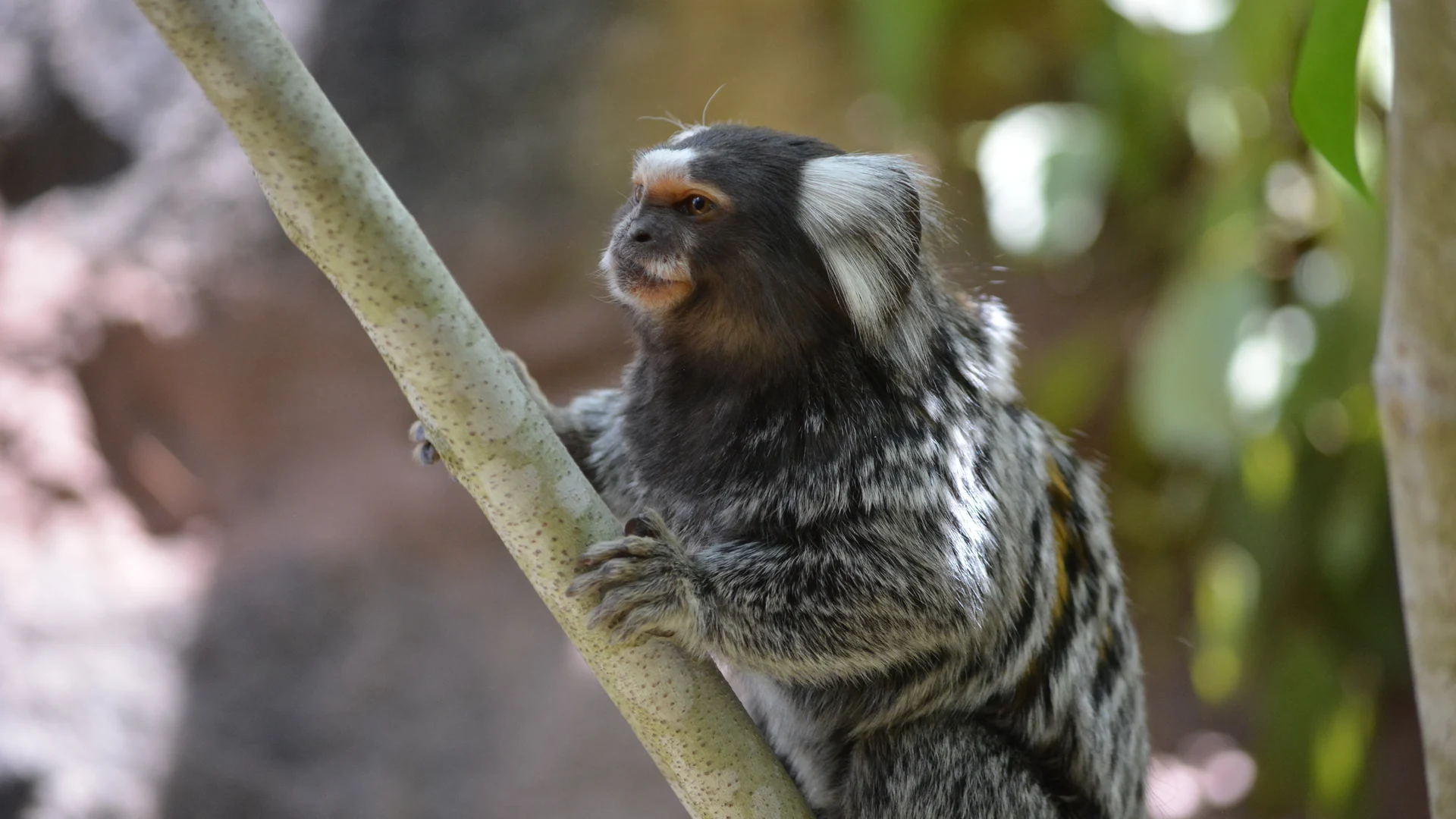
Marmoset Monkeys
More Info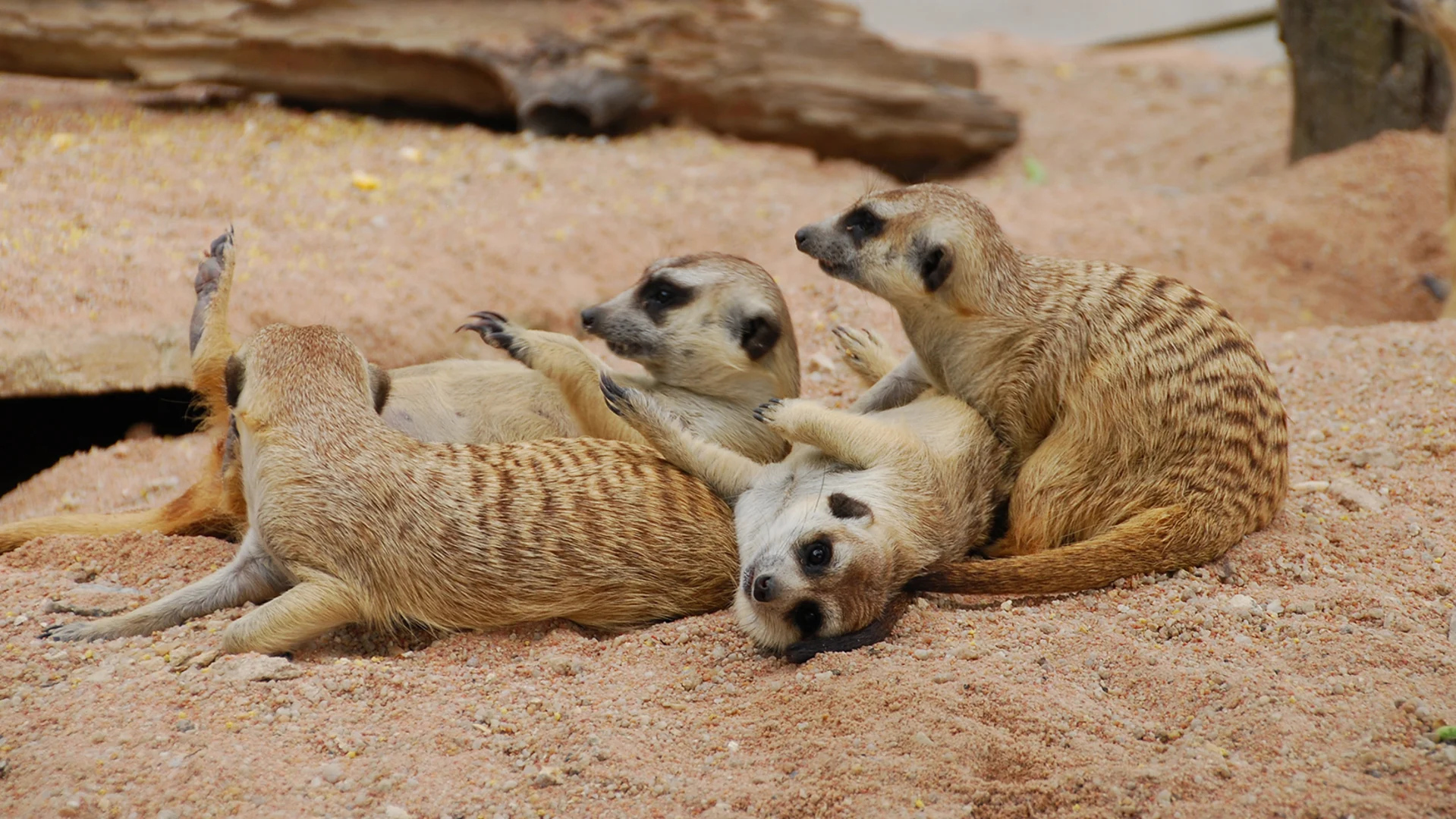
Meerkats
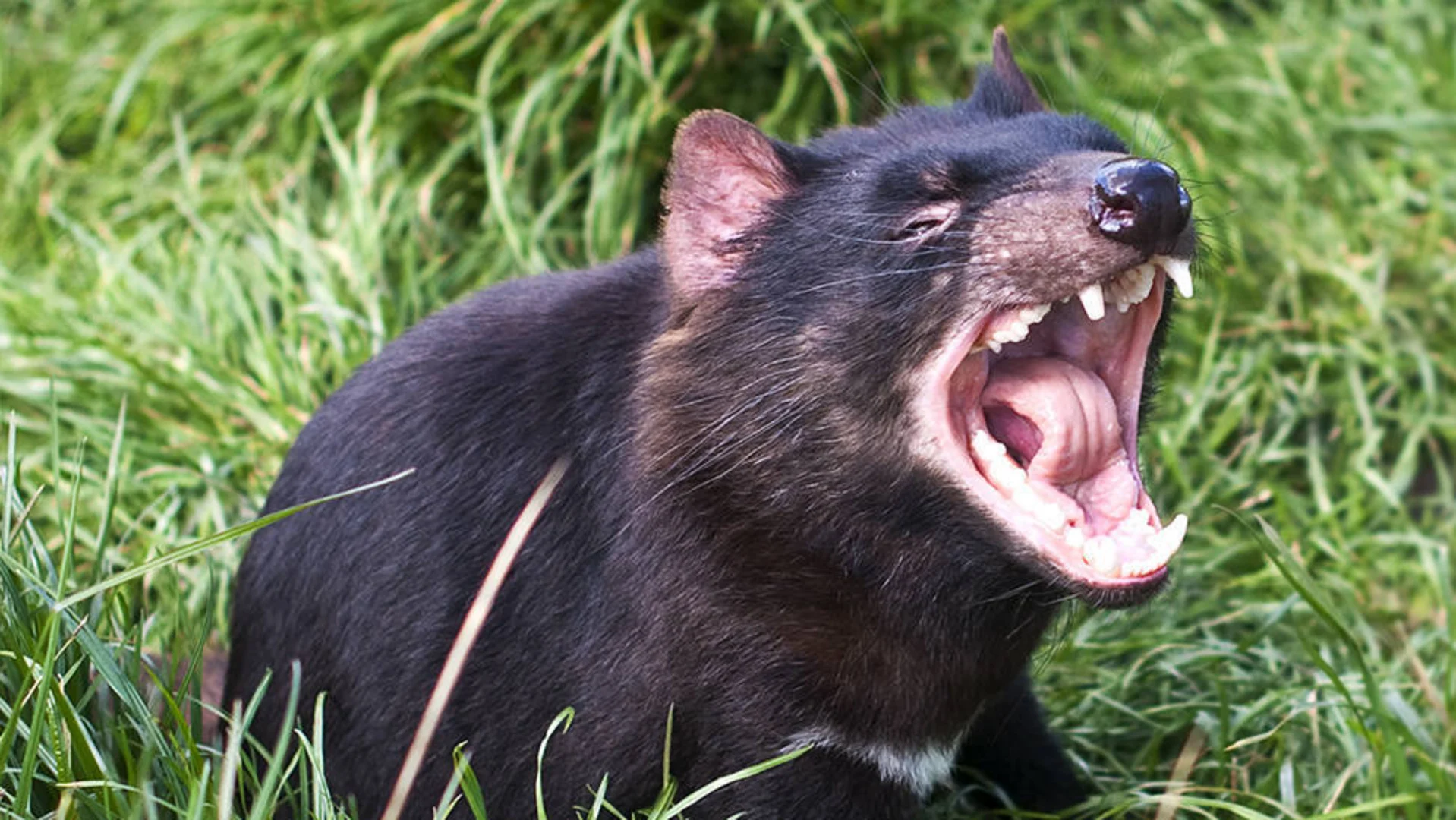
Tasmanian Devil
Learn More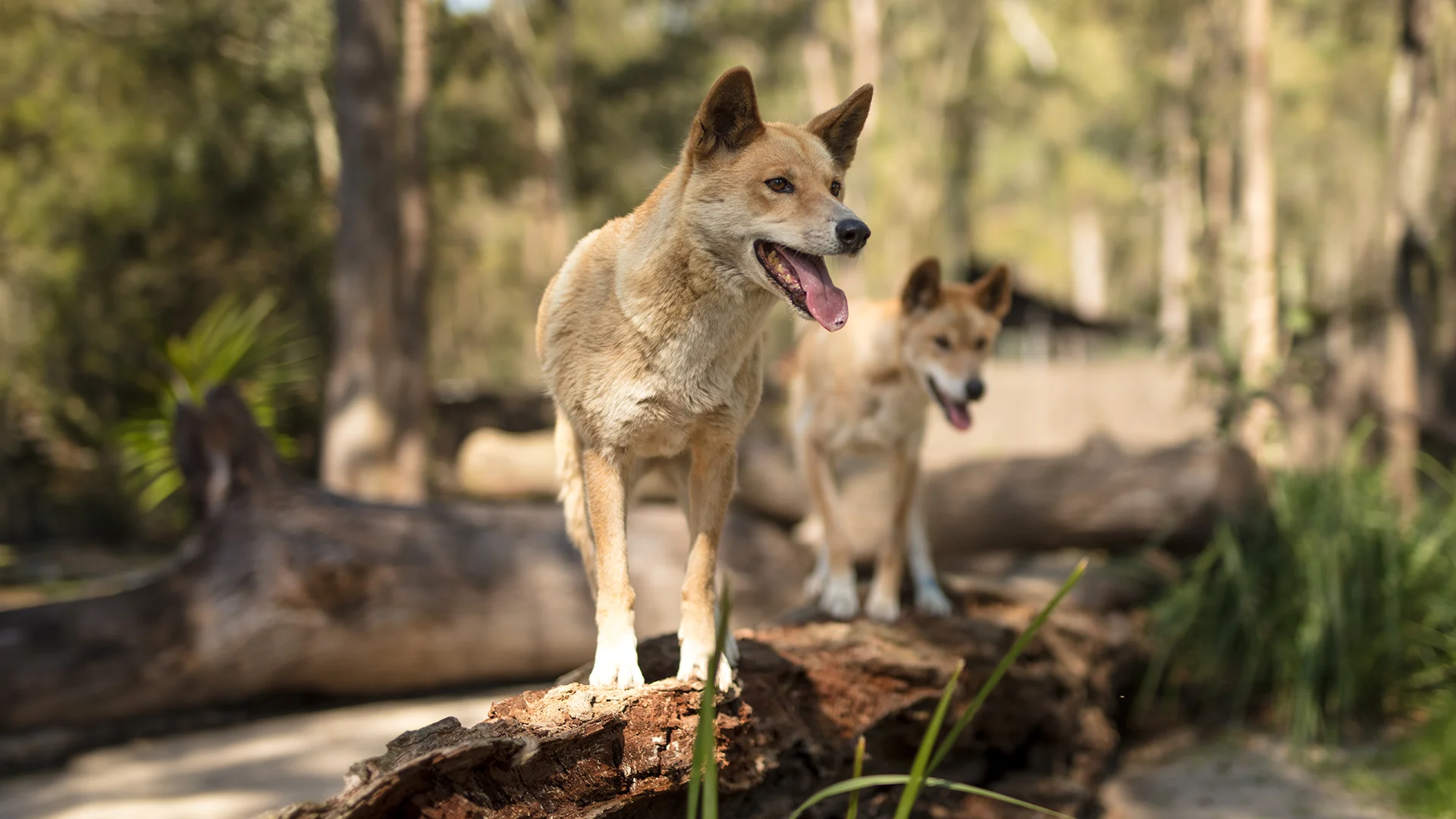
Dingoes
More Info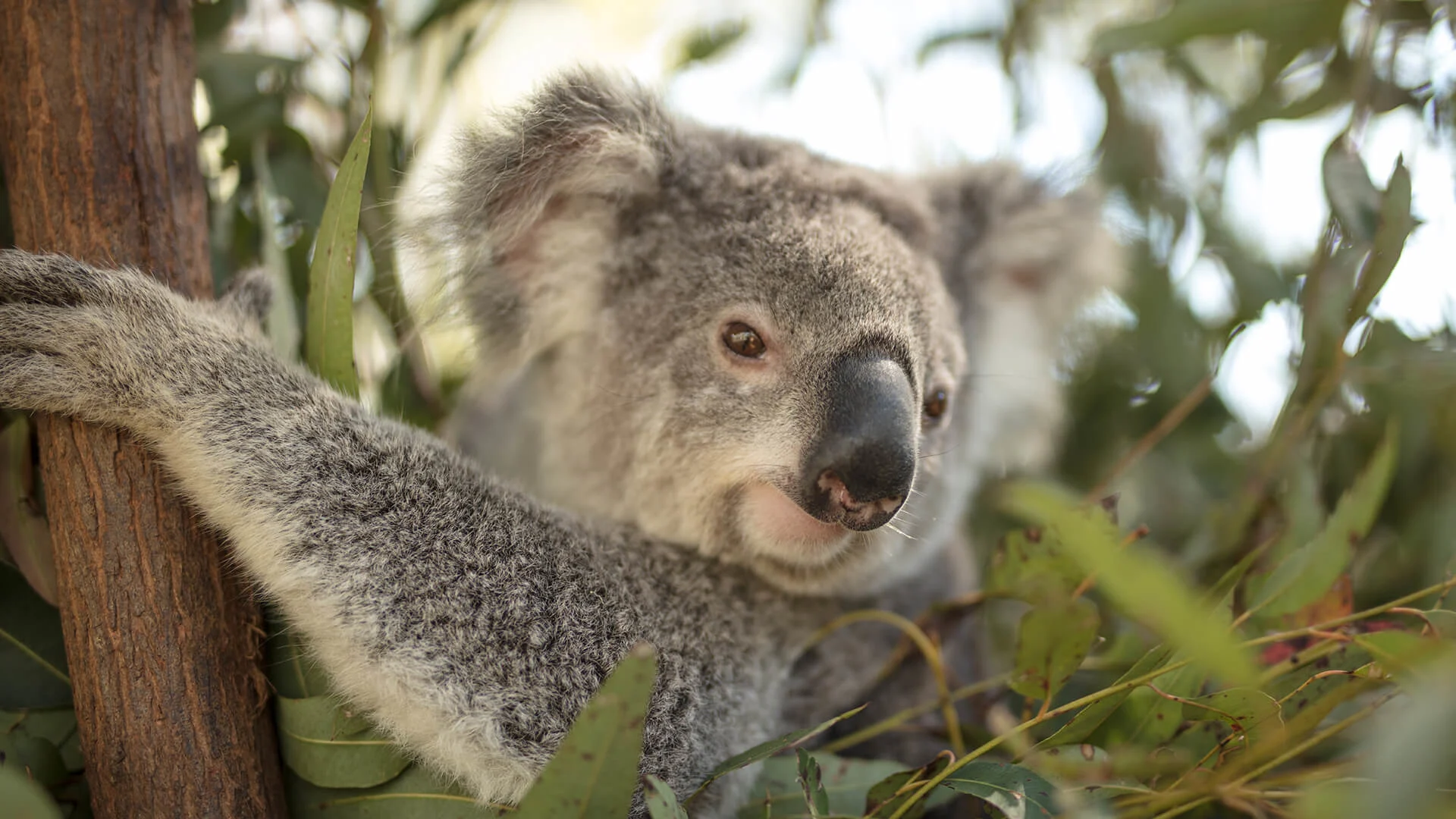
Koalas
Learn MoreKangaroos & Wallabies
Learn More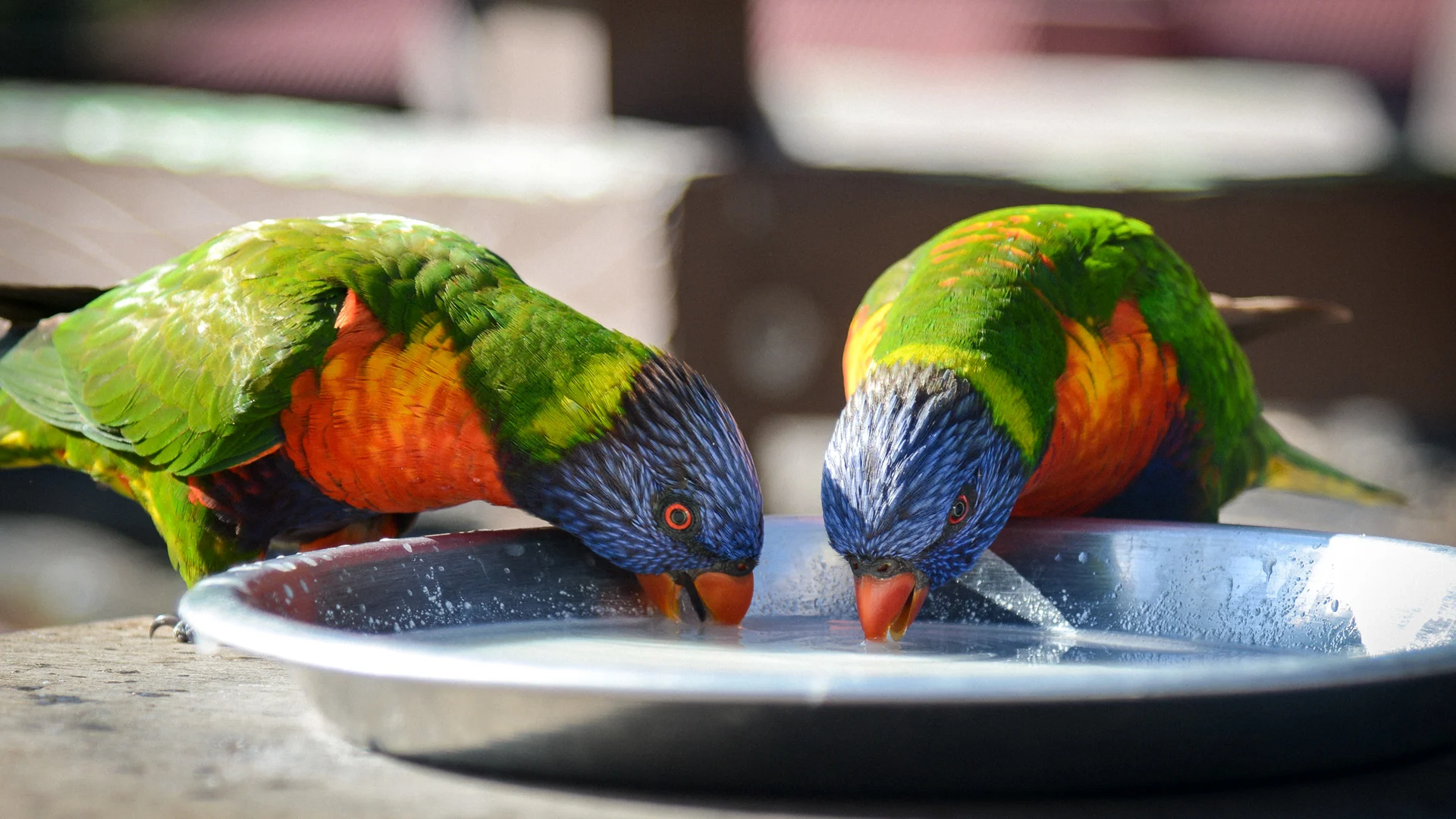
Birds
More Info
Reptiles
Learn More
Farm Animals
More InfoGet Park Ready With The Theme Parks App
View interactive maps, upcoming showtimes and check ride wait times during your visit to make the most of your day!